1.1 Self‑Publishing Romance Novels: The Market in 2026

1.1 Self‑Publishing Romance Novels: The Market in 2026

Self‑publishing romance novels: your real opportunities

If you’re self-publishing romance novels, you picked a smart, generous genre to build a business in or to create a fun, fulfilling writing life that fits inside your very real responsibilities. Romance is still the top performing adult fiction category in the English-speaking market. Indie romance authors are not begging for leftovers from traditional publishing, they’re leading many of the conversations and trends that shape the genre.

None of that means this is easy. Recent changes to store algorithms, especially around Kindle Unlimited, have made discoverability bumpier and harder to predict than it was a few years ago. The surge of low-quality and AI-generated titles has makes it even more important for actual romance writers to stand out with clear branding, consistent quality, and reader trust. Even established romance authors talk about income wobbling when they rely on past strategies that no longer work the way they used to.

You do not need to panic. You do need to orient yourself. The opportunity is real and ongoing. It just tends to reward authors who take a long view: series instead of one-off books, relationship-building instead of one big launch, and deliberate choices instead of throwing everything at the wall and hoping something sticks.

In this lesson, you’ll get a bird’s-eye view of the market you’re stepping into so you can make decisions that support your future self, not just your first book.

How big is the romance market, really?

Romance has sat at or near the top of adult fiction sales for a long time, both in traditional and self-publishing.

Industry reports, retailer charts, and bestseller lists consistently show romance shoulder-to-shoulder with, or ahead of, other popular genres like mystery, thrillers, and fantasy. Readers are buying a lot of love stories, and they are not slowing down.

You may see lots of statistics about the romance genre, and while much of it may be accurate (given the sample size, which should always be looked at), the most recent verifiable data is from 2021-2023 and where the oft-cited

“Romance novels generate over $1.44 billion in revenue, making romance the highest-earning genre of fiction”

comes from. That data is from WordsRated.com.

A few other sites to find solid data include:

The upshot? Romance readers, in particular, buy and read many books a year, often multiple books a month. They binge series, auto-buy favourite authors, and treat romance as both entertainment and emotional self-care. They’re not casual browsers who pick up one book a summer. They are active, engaged, and very clear about what they like. That steady appetite is your opportunity: there is an ongoing, repeat demand for quality new stories.

These readers also talk. They run book clubs, post on social media, recommend books to friends, and leave detailed reviews when a story hits them in the feels. That kind of community behaviour means one book can have a much longer life if it finds the right pocket of readers who are excited to push it into other people’s hands.

Kindle Unlimited as a romance ecosystem

One of the biggest structural realities in our genre is that romance leads most other categories in ebook sales. Digital reading became normal in romance earlier than in many genres, and a huge portion of romance revenue still comes from ebooks and digital-first platforms. If you’ve felt “late” to digital, you’re not. You’re entering a space that already understands and embraces it.

Kindle Unlimited (KU) is Amazon’s subscription reading program. Readers pay a monthly fee, then borrow and read as many enrolled books as their heart’s desire without paying per title.

Authors get paid from a global fund based on how many pages readers actually read of their books, according to Amazon’s KDP terms.

For romance readers who burn through multiple books a week, KU feels like an all-you-can-read buffet, which is why so many of them use it.

Many romance readers search specifically within KU, filter for KU titles, and will take a chance on new-to-them authors because there is no extra cost to trying a book that looks interesting. That behaviour can create real discoverability for indie romance authors who choose to publish exclusively on Amazon through KDP Select to access KU. At the same time, KU has drawbacks: payout rates shift, visibility can change overnight with algorithm tweaks, and exclusivity means you can’t have that book on other major stores like Kobo, Apple Books, or Nook while it’s enrolled.

You don’t need to decide your KU versus wide strategy right now, but you do want to understand that this is a foundational business decision. It affects your launch timelines, your pricing, your marketing plans, and who can easily access your books. We’ll unpack the details in a later lesson so you can choose what fits your goals and your bandwidth.

Who is the romance reader?

Understanding who actually buys romance novels is one of the most useful pieces of market research you can do, especially when you’re self-publishing romance novels and making your own decisions about covers, blurbs, and marketing. Not so you can stereotype, but so you can picture the person on the other side of the “Buy now” button.

Surveys over many years show that romance readers are predominantly women, often spread across a wide age range from young adults through midlife and beyond. Many are juggling work, caregiving, health, and the daily grind, and they turn to romance for escape, hope, and emotional satisfaction. They are also community builders. They write reviews, gush in DMs, post shelfies, run buddy reads, and gently peer-pressure friends into reading the books they love.

Social platforms matter because that is where a lot of this discovery happens. TikTok’s romance corner (often called BookTok) has pushed plenty of titles onto major bestseller lists and introduced waves of new readers to the genre. Instagram’s Bookstagram community remains strong, especially for eye-catching covers.

In 2024, Canada’s national media outlet (kind of like NPR) spoke to several romance authors in a piece called How social media is influencing the romance novel genre—and wider trends in fiction. It’s worth a read.

Goodreads is still a main hub where many readers track their reading and reviews, while alternatives like The StoryGraph are growing and offer different ways to log and discover books.

All of this means that discoverability in romance is not just about “the algorithm.” It’s about readers finding books through other readers, in ecosystems that reward emotional resonance and community chatter as much as ad spend. As you start thinking about your author identity and how you’ll talk about your books, remember that you are not shouting into a void. You’re joining conversations that already exist.

Why self-published romance authors have an edge

There’s a reality in the industry that a lot of traditional publishing folks do not love to say out loud: in digital storefronts where most romance is sold, indie authors often chart very well, sometimes ahead of big traditionally published names. That’s not an accident. It reflects how well the self-publishing model fits the way romance readers read.

Self-published romance authors can release books on their own schedule, often multiple titles a year, which suits binge readers who want the next book in a series sooner rather than later. They can price flexibly, experimenting with free series starters, sale pricing, and retailer-specific promotions to bring new readers into their worlds. They can respond quickly to reader interest in particular tropes or subgenres instead of waiting years for a traditional publishing pipeline to catch up.

On the business side, indie authors keep a higher percentage of each sale, which means you may not need massive sales numbers to see meaningful income over time. You also retain control of your covers, blurbs, metadata, formats, and rights. That control lets you keep aligning your packaging and positioning with the readers you want to reach, instead of hoping someone else gets it right on your behalf.

Traditional publishing is not “wrong” or “bad.” It is one path. (And if that’s a path you’d like to explore, I compiled a list of all the romance publishers who take submissions without an agent. Download your editable spreadsheet here.)

Self-publishing romance novels is another path that has become more respected and proven over the last decade, especially inside our genre. The old stigma around self-publishing has softened considerably as more readers discover and fall in love with indie books without even realizing who published them.

Your opportunity in this market

Everything in this lesson leads to one simple truth: there is room for you. Not someday “when the market calms down.” Now. Readers are not asking for fewer romance novels. They are asking for more books that hit their favourite tropes, more representation, more settings, more banter, more emotional payoffs that feel like they were written by someone who understands what they are carrying in their real lives.

What the market tends to reward, more and more, is authors who give readers a world to return to. A single standalone title can absolutely find readers, but Book 1 in a compelling series or shared world gives both readers and algorithms a clear next step. Authors who are growing sustainable income in self-publishing romance novels are usually doing it by writing series, showing up consistently over time, and building a relationship with the readers who love what they do.

Your job, over the rest of this program, is not to become a marketing machine overnight. It’s to learn how to put your first book, and the books that follow, in front of the right readers in ways that feel professional, strategic, and as enjoyable as possible for you. This is romance. You’re allowed to want some joy in how you build your business too.

How to use this market overview as a new romance author

If you’re pre‑published or early in your career, here’s how I’d use this data in a practical way:

  • Treat the big romance revenue numbers as proof there is a market for what you want to write, not as pressure to chase trends.
  • Pay attention to which sub‑genres are over‑served and which are still hungry, then choose where your voice and capacity actually fit.
  • Decide early whether you’re aiming for KU‑heavy strategy or wide distribution, because that choice affects covers, tropes, and release pace.

This is the same process I walk my Romance Your Launch students through when we map their first series plan.

xo
Danika

PS: The places authors most often get stuck are not talent or ideas. They’re courage, clarity, and trying to wing an entire career alone. You’re already doing something different by learning the business side with support instead of hoping it somehow “just works.”

PPS: A couple of writers replied to the email version of this blog poast and asked…

“Can you make money self-publishing romance novels?”

Yes, you can. Self-published romance authors at the higher-earning end often have multiple series, a strong backlist, sell more than just their book (and audiobooks, and translations) and consistent release schedules.

Many midlist indie romance authors build meaningful part-time income by publishing several books over a few years and learning to launch strategically, even without massive social media followings.

If you want a real-world example of what’s possible, this case study from BookBub Insights walks through how romance author Willow Winters built a six-figure income over time.

This lesson is part of Module 1: Understanding the romance market in the Romance Your Launch program.

About your guide

I’m Danika Bloom, a USA Today bestselling author of steamy contemporary romance and a long-time coach for pre-published and early career romance authors.

Before I started self-publishing romance novels, I spent more than 25 years writing for progressive social justice nonprofits, and coaching solopreneurs to write loan-worthy business plans.

I bring both storytelling and strategy to the way I support new authors.

You can read more about my mentoring background or browse my published books at DanikaBloom.com.

1.1 Self‑Publishing Romance Novels: The Market in 2026

1.1 Self‑Publishing Romance Novels: The Market in 2026

Self-publishing romance novels is not a pipe dream or a shortcut. It is a real way to build a joyful, sustainable author career when you understand the market, the readers, and your options. This first lesson gives you the lay of the land so you can make informed choices.
Romance Your Launch: coming May 8!

Romance Your Launch: coming May 8!

Get every lesson from Romance Your Launch—my premium self-publishing program for romance authors—directly to your inbox. For free.

Get every lesson in the Romance Your Launch course

—> Click this link and I’ll send you two to three lessons a week, starting with Lesson 1.

—>Or, join my regular email list if you’d rather just pick up from the current lesson.

Ready for the next module?

Go back to the Romance Your Launch home page to see all the modules and links to their hub pages.

Want the next lesson in your inbox?

This post is part of the Romance Your Launch series—a lesson-by-lesson guide to self-publishing your romance novel, written for pre-published and early career romance authors. 

.

—> Click this link, drop in your name and email address, and I’ll send you two to three lessons a week, starting with Lesson 1.

.

—> If you’d rather just pick up where the series is, join my regular email list from this link. 

** If you join from both links, you’ll get duplicate emails. If that happens and you’d like to stop one of them, hit reply to my email and tell  me which delivery schedule you’d like to stay on so I can remove you from the other one. If you unsubscribe yourself, you’ll actually be removed from my entire list and won’t get any emails from me at all. â˜č

Romance Your Launch: coming May 8!

Romance Your Launch: coming May 8!

Starting May 11th, I’m releasing lessons from Romance Your Launch—my premium self-publishing program for romance authors—right here on the blog and directly to your inbox.

For free. For you.

Here’s what this actually is

Romance Your Launch is the program I’ve delivered live twice now, over 12 weeks each time, inside the Author Ever After community.

Authors who’ve gone through it have used it to publish their actual, real, fabulous first (and second, third and more) romance novels. It covers everything  from the moment you have a title and know your tropes and sub-genre to having a finished manuscript to the day you press publish and pop your champagne.

(Mr. Bloom opens mine, since the Pop! makes me jump every single time. I know. I know.)

Here’s a taste of what’s coming your way. These are the module titles. Each module has between five and ten lessons. Each lesson will be delivered as a blog post (there are about 80 of them!).

  • Understanding the romance market—where your book fits and who your readers are
  • Your romance author identity—your publishing name, your bios, and your brand
  • Finding your first readers—covering your lead magnet, email list, website and pre-launch social media strategy
  • Revise and shine—all about self-editing to save you money
  • Pre-publication considerations—understanding KDP, IngramSpark, royalties, pricing, and more
  • Inbox insights—growing your email list and building real reader relationships
  • Your complete launch plan—built around your actual life, your actual resources, your actual goals
  • Building your fanbase—covers ads, social media, live events, boxsets, special editions, and lots more
  • The business of being an author—budgets, taxes, copyright, and more

Each lesson is bite-sized. Never more than 15 minutes to read. Implementation is another story, but I’m confident you’ll have more clarity at the end of each lesson than you did heading in.*

Why am I doing this?

Because the path to self-publishing a romance novel shouldn’t be as complicated as the enemies-to-lovers relationship in your book. And there is so much noise out there—conflicting and outdated advice, overwhelming how-to content, courses that cost thousands and leave you more confused than when you started.

You deserve a clear and practical roadmap. One built by someone who’s made the mistakes so you don’t have to. One that doesn’t assume you have a massive platform or unlimited time or money. One that meets you where you actually are.

That’s what Romance Your Launch is.

Want in?

Join the email list and you’ll get every lesson delivered right to your inbox.

There are two options:

  1. Get every lesson starting with Lesson #1 to your email. Even if you’re reading this and notice 5 or 10 or 20 lessons are on the blog already.
  2. Get the lessons starting where we are right now. Check the blog to see what you might want to catch up on before the emails start landing in your inbox.

Please don’t sign up twice!

You’ll get repeat emails and if you unsubscribe from one list, you’ll be unsubscribed from my full list and stop getting any lessons. If you do accidentally join twice, email me and let me know which delivery schedule you want to keep. I’ll untag the other one for you!

The first lesson is almost ready. I can’t wait to share it with you. đŸŸ

* If at any point during the program delivery you decide you’d like more help, members of the Author Ever After community meet three times every week for that very reason. That’s one reason I prefer the term indie publishing over self-publishing since becoming a published author is way better when we’re doing it with friends, not by ourselves. 

Get every lesson in the Romance Your Launch course

—> Click this link and I’ll send you two to three lessons a week, starting with Lesson 1.

—>Or, join my regular email list if you’d rather just pick up from the current lesson.

Want the next lesson in your inbox?

This post is part of the Romance Your Launch series—a lesson-by-lesson guide to self-publishing your romance novel, written for pre-published and early career romance authors. 

.

—> Click this link, drop in your name and email address, and I’ll send you two to three lessons a week, starting with Lesson 1.

.

—> If you’d rather just pick up where the series is, join my regular email list from this link. 

** If you join from both links, you’ll get duplicate emails. If that happens and you’d like to stop one of them, hit reply to my email and tell  me which delivery schedule you’d like to stay on so I can remove you from the other one. If you unsubscribe yourself, you’ll actually be removed from my entire list and won’t get any emails from me at all. â˜č

Publisher Rocket vs KDSpy

Publisher Rocket vs KDSpy

Publisher Rocket vs KDSpy

My dad was a spy. Not kidding. Not the James Bond kind of spy who everyone knew was a spy. No, when I was growing up, he said he was an “entrepreneur.” I didn’t learn the truth until he was literally on his deathbed that what he was doing was flying to far-away countries to do things that, if I ever said I was going to do, he’d have locked me in my room for!

Anyway, the spying gene I inherited from my dad runs deep and so does my entrepreneurial nature. So when I started writing books and learned that I could spy on other authors to see how well their titles were performing
 I ponied up my pennies and bought the tool that was available at the time: KDSpy.

I’d been using KDSpy for about four years when a friend put me on to what was then a new spy tool for authors called Publisher Rocket and I was hooked. It does a lot of the same things KDSpy does but the two are different enough to make having both worthwhile. Kind of like having a Dad-spy and a Mom-spy working for you!

Unveiling the best keyword research tools for authors

In today’s competitive self-publishing landscape, the power of keyword research can’t be overemphasized. The right keyword strategy can catapult your book to the top of Amazon search results. With a plethora of tools available, two software solutions have distinguished themselves for authors: Publisher Rocket and KDSpy. In this comprehensive comparison, I explore into the functionalities of both tools, helping you make an informed choice.

Publisher Rocket: beyond just keywords

Publisher Rocket, formerly known as KDP Rocket, offers more than just keyword suggestions. It’s an all-in-one platform that provides insights into categories, competition, and estimated earnings. It’s tailored specifically for authors who wish to grasp Amazon’s algorithms.

Features:

    • Keyword Recommendations: Get suggestions based on real Amazon searches.
    • Competition Analysis: Understand how other books are performing in your niche.
    • AMS Keyword Feature: Directly extract keywords for your Amazon advertising campaigns.

KDSpy: the Kindle spy

KDSpy, often dubbed “The Kindle Spy,” is a browser extension that simplifies the keyword research process. With a single click, you can analyze any Amazon Kindle category, revealing potential keyword goldmines.

Features:

    • Instant Results: Quick overview of any book or category.
    • Sales Data: Estimations on monthly revenue, sales, and more.
    • Competitive Analysis: View book covers, descriptions, and reviews to gauge your competition.

Head-to-Head Comparison

When comparing Publisher Rocket and KDSpy, consider your primary needs:

  • For a holistic approach to Amazon book marketing, Publisher Rocket stands out.
  • If rapid insights and browser-based convenience are your priorities, KDSpy could be your go-to.

What do they spy on?

Basically, they both troll Amazon author’s keywords, categories, niches, titles, book descriptions and sales volumes.  It’s great intel (that’s spy talk for information!) if your publishing goal is to sell as many books as possible. That’s not every writer’s goal, but for those of us who at least want to make back the money we spend producing our books, these tools are really handy when it comes to helping with discoverability.


How do they compare?

Caveat: I have a sister and a brother. I won the sibling lottery with both of them. They’re quite different humans but both bring me joy so I could never, and would never, be able to say, “if you had to pick just one to be your friend, I’d recommend you choose Derek,” or “I think you’d be better off with Kim in your friend corner.”

All that to say, I’m not going to say one of these programs is better than the other, but I will point out how they differ so you can choose the one that serves you best. Unless you’re like me and decide they’d both be good tools to have!


Ease of use

KDSpy is a browser extension that takes you to Amazon where it will help you research bestseller rankings in all Kindle categories. It’s a one-click info dump. Easy-peasy once you’re on the book or author page you’re interested in finding out about.

Publisher Rocket is a piece of software you download. You have to open the software and then you input specific keywords that it will use to gather intel about the books that match that keyword search. It’s a handsome software. Nice interface and graphics so if looks matter to you you’ll love Publisher Rocket
 but like so many things that are pretty, it is a bit more work. But you get a lot more information, too.


What it searches

KDSpy allows you to gather country-specific data from Amazon stores in the USA (Amazon.com), UK, Canada, Germany, Australia, Italy, Spain, France and India. The time this is valuable is if you’re running Amazon ads since this will allow you to find keywords that are specific to each country. And they do differ!

Publisher Rocket gathers data from Amazon.com, Germany and the UK, with more countries coming soon. Although you only get data from three countries (Dec 2022), the data is incredibly valuable for choosing your Amazon keywords and phrases (those seven optional fields you can fill in when you upload your book).


Tracking sales over time

KDSpy has a feature that lets you track sales data for 30 days. It’s a neat feature to watch how well a book launch does, for instance, if you’re following an author and want to know if their launch strategies translate into sales or not.

Publisher Rocket doesn’t have a data tracking function.


Keyword suggestions

KDSpy has this red light, orange light, green light system to help you see which keywords have the most and least competition. If you’re going to be running ads, this is valuable information since keyword ad prices are based on the popularity of the keywords.

Publisher Rocket has a more robust keyword search function and allows you to download lists of keywords easily. It also gives you data about the popularity of keywords, but using percentages (basically) rather than traffic lights.


Price

KDSpy says it’s $197 for a lifetime membership with free updates, which they do regularly. But every time I’ve referred an author friend to the site, I’ve noticed they have a deal. (On May 1, 2026, for instance, it was on sale for $97). They have a free 7-day trial period and a 60-day money-back guarantee.

Publisher Rocket is $299 for a lifetime membership with free updates, which they’ve done several times since I bought the software in 2019. (On May 1, 2026, they were running a sale for $199). They have a 30-day money-back guarantee.


What else?

See why it would be impossible for me to pick to a favorite spy child? One of the nice things that Dave Chesson does—he’s the guy who created Publisher Rocket—is that he offers some great educational content on his website in the form of both blog posts and a free 5-day course.

Book Description Generator— If you’ve ever uploaded a book description to Amazon you’ll know the pain of trying to format that copy. It’s a three-finger whiskey kind of job. Dave Chesson’s Book Description Generator turns that task into a single cup of tea task. You upload your book description to his site, make it pretty, then generate the code you need to add to your Amazon book page. It’s magical.

Mastering Keywords and Categories—Again, if you’ve uploaded a book to Amazon and lived to tell the tale, you’ll know that you’re given space to add 7 Kindle keywords or phrases. Dave shares tips to help you choose the best keywords for your book and points out mistakes you might have made that could work against your keyword strategy. And Publisher Rocket is a lot of fun to use! Some friends (who don’t have Rocket) hate figuring out their keywords. I love it!

5-day free Amazon ads course—Funny thing about this course is that it doesn’t actually have a catchy name. But it does use the right keywords to tell us what it’s about! Get it by email. Totally free. And Dave “Mr. Kindlepreneur” Chesson will not overload you with email after you’re done, like some marketers do.

How to Choose the Best Amazon Categories—The Amazon book categories you choose will have a direct effect on whether or not you become an Amazon bestselling author.  Simple as that. And Dave helps you choose the right ones, whether you purchase Publisher Rocket or not. But it’s wa-ay easier with Publisher Rocket.

Not to be entirely behind, Wesley Atkins who founded and keeps KDSpy updated has a 6,000 word tutorial called 3 Steps To Finding Profitable Kindle Niches & Bestselling Book Ideas that is excellent. Well worth bookmarking.


There you have it! My effort to turn you into a spy since a) it’s super fun to check out how other authors are doing b) it’s smart to be a strategic author and these tools make that easier and c) being a spy is something you can really only talk about with other spies
 I need more spy friends.

Need help figuring out effective keywords?
Book a free 30-minute strategy call!

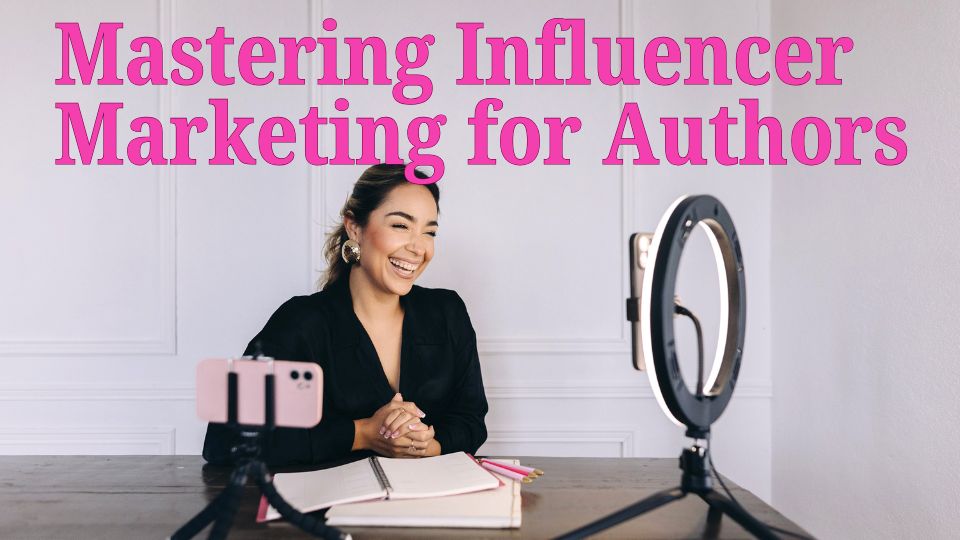
Mastering Influencer Marketing for Authors

Mastering Influencer Marketing for Authors

As a romance author, I’ve often found myself wondering how to reach more readers. It’s a challenge many of us face – you’ve poured your heart into a story, but now you need to get it out there.

That’s where influencer marketing comes in.

It’s a strategy that’s proven effective for brands across various industries, and it can work wonders for authors too.

How to boost your book’s visibility

I recently had the chance to chat with Katelyn Ilkani, the founder of Chord, a platform designed to connect authors with influencers. What struck me was how accessible influencer marketing can be, even for those of us who aren’t tech-savvy or have limited budgets.

Katelyn shared some valuable insights on how to navigate this space, and I’m excited to pass them along to you. Whether you’re just starting out or looking to boost your existing author platform, influencer marketing is definitely worth exploring.

Now, I know what you’re thinking.

Influencer marketing? Isn’t that just for makeup brands and travel bloggers?

Not anymore. This strategy is becoming a secret weapon for authors, especially in the romance genre where word-of-mouth can make or break a book.

Katelyn broke it down for me, and let me tell you, it’s not as scary as it sounds. Here’s the scoop:

It’s a Big Deal

We’re talking billions of dollars big. Influencer marketing isn’t just a trend; it’s a powerhouse strategy that’s helping brands – including authors – reach new heights.

Platforms Matter

Instagram and TikTok are hot right now, but don’t sleep on YouTube. Katelyn suggests spreading your eggs across multiple baskets, so to speak.

Be Prepared

Before you dive in, make sure your book is polished and your social media game is on point. Trust me, nothing kills momentum like a typo-riddled manuscript or a dusty Twitter account.

Budget Wisely

Here’s the good news – you don’t need a fortune to get started. Katelyn shared some great tips for working with micro and nano-influencers who can pack a punch without breaking the bank.

The key takeaway?

Influencer marketing is a marathon, not a sprint.

It’s about building relationships, experimenting with different approaches, and playing the long game. And that’s where a platform like Chord comes in handy, making it easier to find the right influencers and manage those partnerships.

Now, if you’re thinking, “But I haven’t even finished my book yet!” first of all—well done on thinking ahead! And also, don’t worry, I’ve got you covered.

If you’re a romance writer still working on your first novel, consider joining us at Author Ever After. We’re a community of early career romance authors supporting each other through every stage of the journey, from first draft to the next book on hundreds of readesr TBR piles.

And if you’re catalogue is ready to take the plunge into influencer marketing, keep an eye out for Chord’s launch. It could be the tool that takes your author career to the next level.

Not sure if you’re ready for influencer marketing? Have a watch of Katelyn’s workshop, Mastering Influencer Marketing for Authors, over on YouTube.

Remember, every romance author started somewhere. Whether you’re scribbling your first chapter or planning your tenth book launch, there’s a place for you in this wild, wonderful world of romance writing. So keep writing, keep dreaming, and don’t be afraid to put yourself out there. Who knows? Your book could be the next one keeping readers up all night, unable to put it down.

Happy writing!

Written by Danika Bloom

Danika Bloom is a USA Today bestselling romance author who writes heroines with all the degrees she wished she could have pursued as a university student.

More from this category

No Results Found

The page you requested could not be found. Try refining your search, or use the navigation above to locate the post.

No Results Found

The page you requested could not be found. Try refining your search, or use the navigation above to locate the post.

SEO for Romance Authors: How to optimize your metadata

SEO for Romance Authors: How to optimize your metadata

SEO for Romance Writers: How to Optimize Your Book Metadata

If you’re a romance author, you already understand the fierce competition in the market. Yet, how can you make your novel stand out in this vast sea? The answer lies in a potent, often overlooked strategy: optimizing your book’s metadata. This article will dive into the essentials of metadata for authors, offering invaluable tactics to increase your romance novel sales and visibility online.

Metadata: The unseen force behind book discoverability

Before diving into strategies, it’s crucial to grasp what metadata actually is. In essence, it’s the background information—like genre, keywords, and description—attached to your book. Effective metadata ensures that your target readers find your work when they search for new romance novels.

Now, how can you use metadata to your advantage? Start by understanding your niche within the romance genre. For example, if you write “historical royal romance,” ensure those terms are present in your book’s description or keyword section. These nuances make all the difference in romance sub-genre ranking.

SEO tips: Making your romance novel irresistible online

1. Keyword planning for authors

Begin by listing terms you believe readers might use to discover your book. Tools like PublisherRocket and KDSpy and Google’s Keyword Planner can help refine your list, shedding light on high-traffic, low-competition keywords. (See PublisherRocket vs KDSpy) 

2. Embrace your sub-genre

As mentioned earlier, specificity can amplify your visibility. Instead of just “romance,” consider terms like “contemporary cowboy romance” or “paranormal romance with werewolves.” This precision boosts your chances in romance sub-genre ranking.

3. Integrate keywords naturally

When writing your book’s description, ensure the selected keywords flow seamlessly. Google and other search engines favor content that’s user-friendly and organic.

4. Keep metadata updated

Metadata isn’t a one-time task. Periodically revisit and revise your book’s metadata, especially if you notice a drop in sales. Market trends change, and so should your strategy. By keeping an eye on best-selling romance novels and trending keywords, you can adjust your metadata to better suit current demands.

In the realm of digital bookshelves, even the most engaging romance novel can be overshadowed without strategic metadata optimization. By leveraging the tactics shared above, you’re not only ensuring your book becomes more visible but also paving the way to increase your romance novel’s sales. Remember, in the digital age, a book’s success is as much about its discoverability as it is about its content. Invest in your books’ metadata and watch your romance novel’s improve.

Want help with your metadata?

Book a free 30-minute strategy call!